The Scrum Master's Dumbest Habit (I Did It for Years)
I watched a staff engineer hijack a 15-minute daily sync for 14 minutes. I said nothing. That silence cost us our sprint goal — and it took years to learn that the polite Scrum Master is the rudest person in the room.

The story of the legacy database, the fourteen-minute tangent, and my complete failure to intervene is one where a false sense of politeness masked a team in crisis.
I watched a staff engineer burn fourteen minutes explaining architectural history during a fifteen-minute daily sync. I was the Scrum Master. I said absolutely nothing. I just smiled, nodded, and noted my own rising heart rate while watching the life drain out of the other eight developers on the call.
That's theater. We missed our sprint goal that week. Nobody actually knew what to build. This is a story about what happens when we confuse politeness with psychological safety.
We tell ourselves that interrupting damages trust, we worry about looking controlling, and we read articles about how a three-second interruption requires twenty-three minutes for a developer to refocus. So we stay quiet. We let the loudest voices dominate the room.
The outcome? We hold the rest of the team hostage.
Ineffective meetings cost US businesses an estimated $399 billion annually. The average employee burns 31 hours a month in unproductive meetings. Think of team attention like deflector shields on the Enterprise. You enter the room with a finite power supply. Every single minute of a tangent drains the ship's reserves. By the time you actually reach the critical decision point, the group has zero energy left to fire back. More than 80% of professionals report their work is regularly derailed by virtual meetings. They cannot actually focus.
I used to sweat through my shirt trying to find the perfect, non-threatening moment to intervene. I tracked my own physical reaction to the silence—shallow breathing, tense shoulders—while trying to manage the ego required to run a great event. Looking back, I do not believe I could have made a different choice without someone explicitly giving me permission to break the politeness rule. I had to learn a hard truth.
The polite Scrum Master who never interrupts is the rudest person in the room.
You are failing the eight people who stopped engaging ten minutes ago. A structured redirect serves as a protective measure against focus destruction. It is for this reason that I consider structured interruption a core competency for anyone leading value delivery. You are not interrupting for yourself. You are interrupting for the group.
How do we actually do this without sounding like a dictator? Y'all need a progressive framework. Escalate your interventions.
Level 1: The Visual Anchor
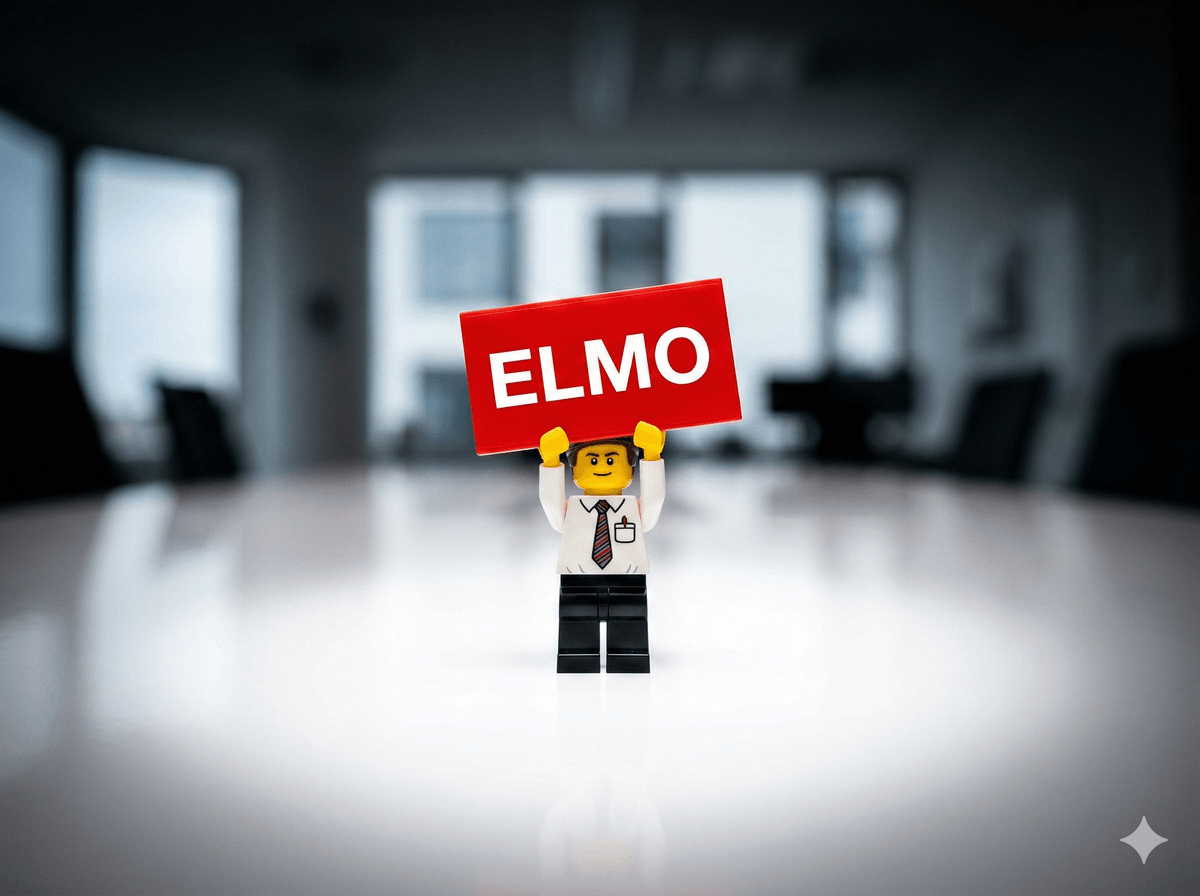
Do not start with your voice. Start with your tools.
Use the visual signals already built into your platform. Raise your hand in Teams or Zoom. React with an emoji. Drop an ELMO card (Enough, Let's Move On) in the chat. It is a group signal that the room has reached capacity on a topic. It gives everyone permission to move without singling anyone out.
Hold that ELMO card up in a physical room (I still keep one on my desk today). Stand up. Walk to the whiteboard. You take space to make space. This physical shift alone stops half of all tangents in their tracks. The speaker naturally pauses. You get a seamless entry point.
Level 2: The Timebox Pivot
Data is that third person in the conversation who doesn't have an ulterior motive. Time is the fourth. Use it.
Don't tell the group what decision they need to make. Ask what is blocking them from making it.
"We have eight minutes left. What is stopping us from landing on the API contract right now?"
That question does something a directive never can. It surfaces the actual blocker. The unspoken concern, the missing piece of information, or the person who hasn't said anything yet but holds the key objection. Apply a Sociocracy Consent lens from there. What is good enough for now? What is safe enough to try? Consent-based decision models do not require everyone to love the answer. They require that no one has a paramount objection—a meaningful, principled block. That is a much lower bar than consensus. It gets teams moving.
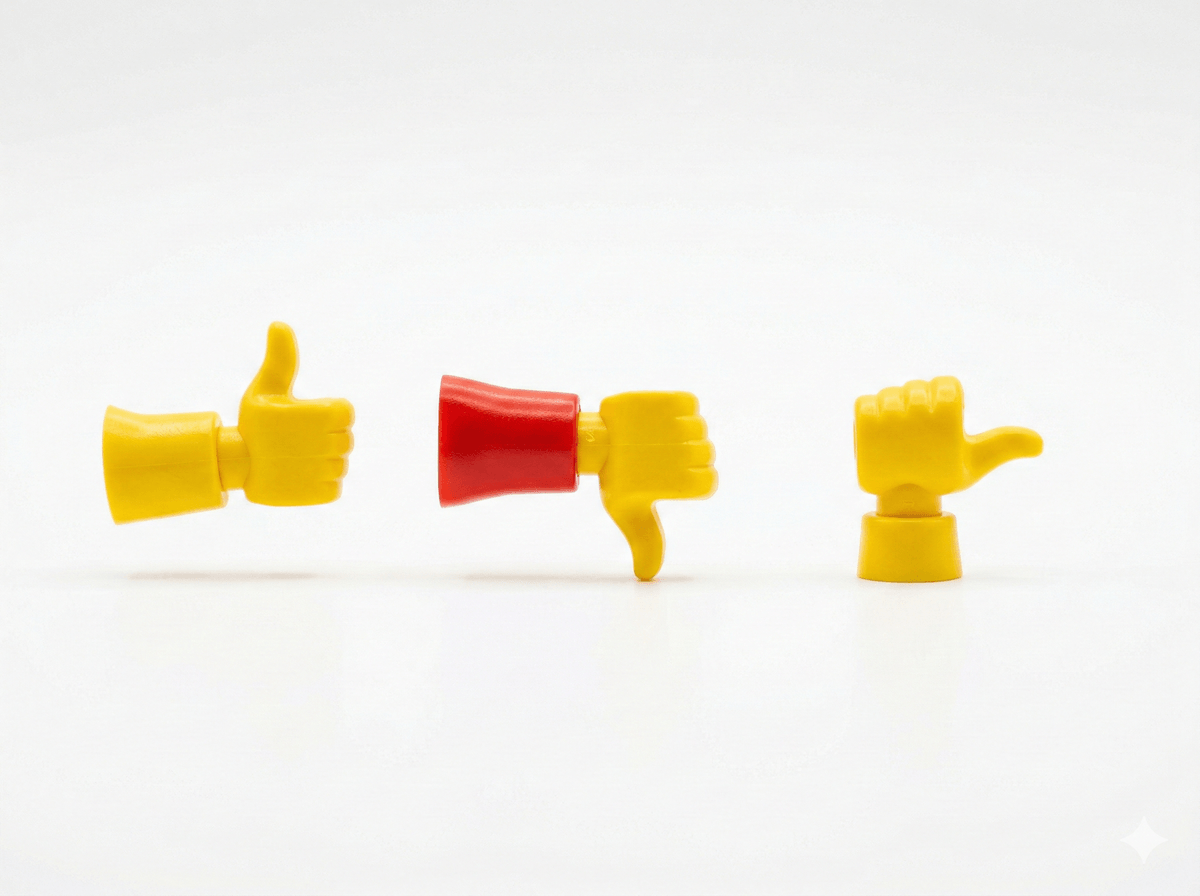
If you want a rapid read on where the room stands, try Roman Voting. Thumbs up: I support it. Thumbs sideways: I can live with it. Thumbs down: I have a real concern. You get alignment data in fifteen seconds. The thumbs-down voices finally have a structured moment to be heard instead of hijacking the thread.
You do not need the perfect answer in the next eight minutes. You need a decision the team can act on and revisit with real data.
Seventy percent of meetings prevent employees from getting their actual work done. Seventy-seven percent conclude with scheduling yet another meeting. Surfacing the real blocker breaks that cycle. Restating the decision doesn't.
Level 3: The Parking Lot Reframe
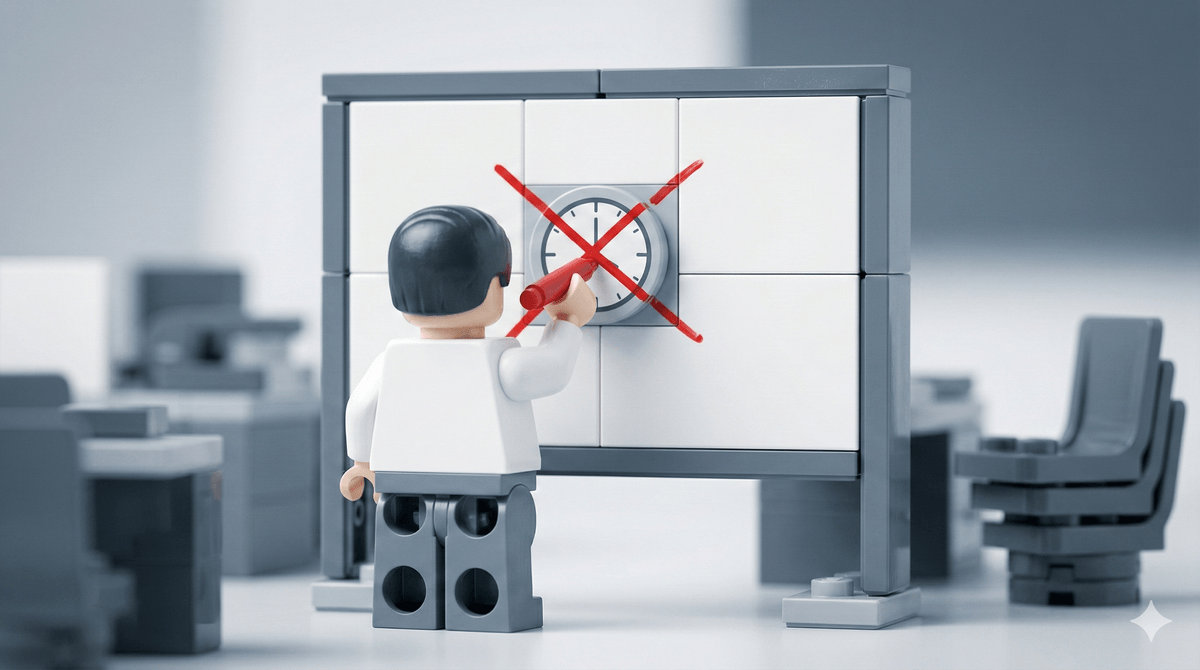
When the tangent is actually valuable but entirely off-topic, validate it and move it.
"This architectural history is crucial context. Let's put it in the parking lot and give it a proper home."
Put it on a dedicated Miro board. Drop it in a specific Slack channel. A parking lot is only safe if the team trusts you will actually drive the cars out of it later. Ask who in the room actually needs to be in that follow-up conversation.
When you schedule a dedicated meeting for the whole team tomorrow, and only three people were doing the talking today, you just handed everyone else part two of a meeting they were already trying to escape. Let people choose. The people who care will attend. The people who don't will finally get their afternoon back. You acknowledge the importance of the contribution. You just refuse to let it hijack the current container. You refuse to punish the whole group for one person's enthusiasm.
Level 4: The Structural Bypass
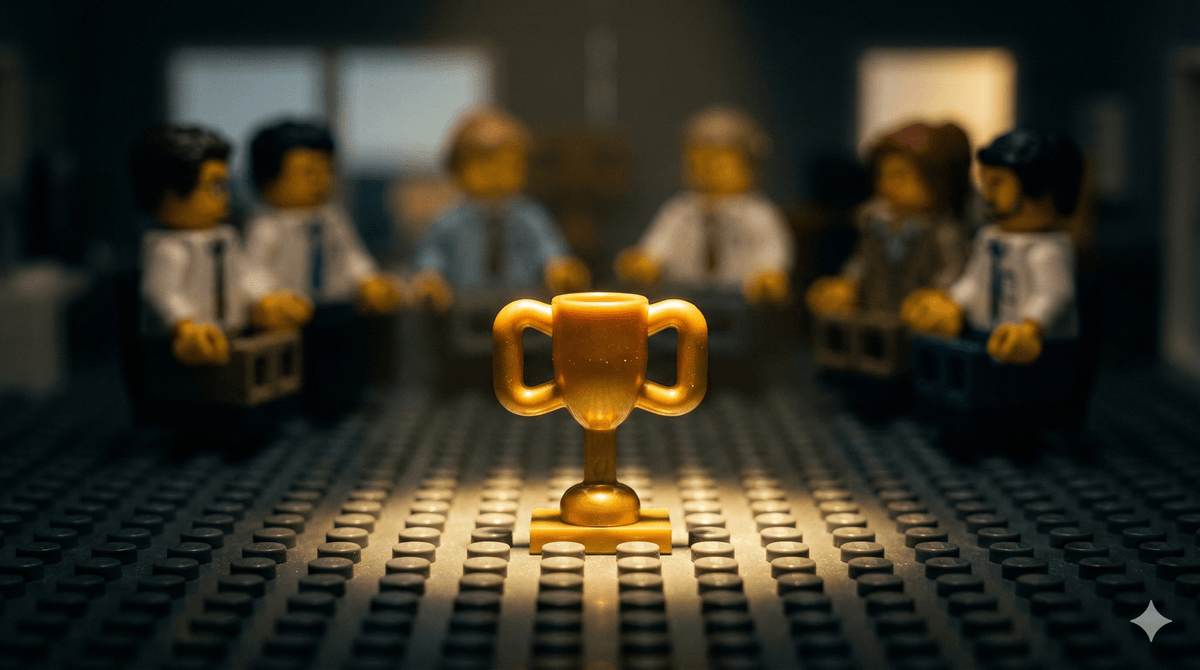
Sometimes redirecting in the moment fails. If you know a group consistently struggles with loud voices, change the format entirely.
I absolutely love Lean Coffee for this. It is an amazing tool that democratizes the agenda. Participants propose topics, dot-vote on priority, and the group processes the list with a timebox on each item. Nobody controls the agenda unilaterally. The format does the heavy lifting for you.
Pair that with a Talking Token. One physical object—a pen or a stress ball—signals who has the floor. Only the person holding it speaks. The loud voices do not disappear. They get regulated by the structure instead of by your willingness to interrupt them.
For deeper tangents, 1-2-4-All from Liberating Structures still earns its place. One minute to think silently, two minutes in pairs, four minutes in a small group, then bring it to the room. Organizations using structured methods report significantly more balanced participation and fewer derailments.
The Authority Problem Nobody Talks About

The staff engineer in my story was easy. Uncomfortable, but manageable. The real test comes when the person dominating the room has a title.
What do you do when it is a Director? A VP? Someone whose calendar controls yours?
I have seen Scrum Masters completely abandon their role the moment a senior leader starts talking. The Parking Lot disappears. The timebox evaporates. The consent question never gets asked. Everyone waits politely for the executive to finish. The meeting runs twenty minutes over. Nobody says a word.
We call that silence respect. Abdication is the more accurate word.
Your job when running an event is not to manage the people with less power. It is to protect the process for everyone—including the people who can fire you. A VP who dominates a sync still costs the team 31 hours. The math does not change because of the org chart.
The move is the same. Visual anchor, timebox pivot, parking lot. Your framing shifts. "I want to make sure we use your time well" lands differently than "we are exhausting our timebox." You are serving their authority, not challenging it. Frame the redirect as protecting their investment in the meeting.
In my experience, most senior leaders respect a Scrum Master who holds the line. What they hate is a room full of people who nodded along and then did nothing with the outcome.
Running a room becomes an act of speaking truth to power. Not confrontation. Not grandstanding. Just the quiet, consistent refusal to let hierarchy override process. The tools do not change. Your nerve has to.
Real psychological safety requires trusting the person running the event. You have to know someone is guarding the group's time, regardless of who is talking.
Stop protecting the tangent. Start protecting the team.
Continue Your Journey
Speaking & Keynotes: If the facilitation skills in this post resonate, the same thinking shapes how Fred runs workshops and keynotes — practical, no-theater, built for teams doing real work.
Free Resources Hub: Guides and tools for Scrum Masters, coaches, and delivery leads who are done with ceremony and ready to move the needle.